In a world where information and visual impact reign supreme, the video wall has established itself as an indispensable strategic tool. Much more than just a collection of screens, it is a dynamic digital canvas capable of transforming a space, centralizing critical data, or captivating an audience. However, its success does not depend solely on the quality of its display technology. It depends on perfect synergy between the screen, its mounting, and the environment in which it is installed.
At SOA, we approach every video wall project with a dual set of expertise: mastery of audiovisual technologies and technical design know-how. This detailed guide will walk you through the key stages of the design process, illustrating our approach to creating a solution that is high-performance, aesthetically pleasing, and sustainable.
Step 1: Your project starts with a question: What for?
Before making any technical decisions, it is essential to define the primary objective of your web video wall. This objective will guide all future decisions, particularly the choice of the most appropriate display technology.
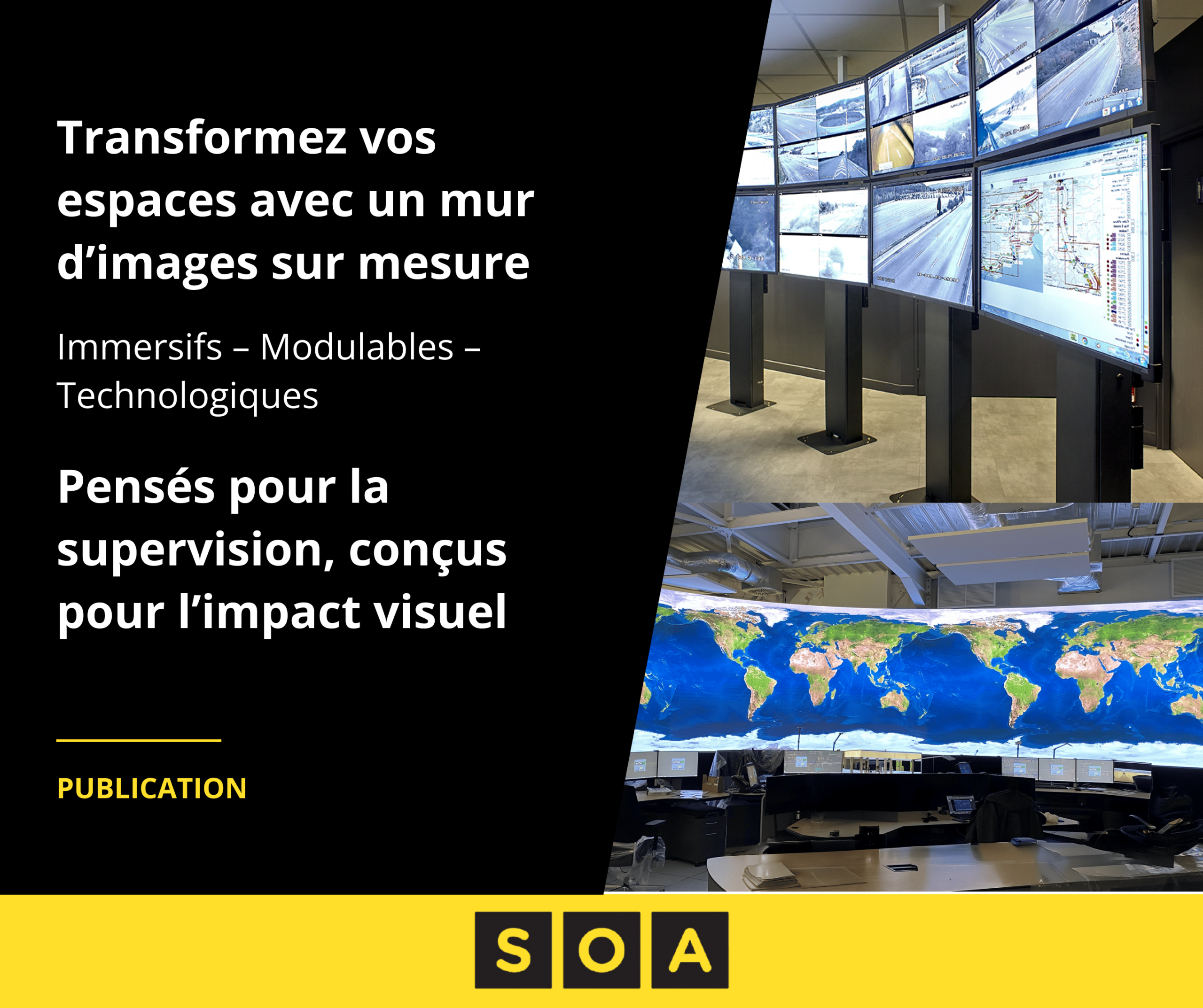
- The “Surface Unique” web video wall : The Total Immersion Experience
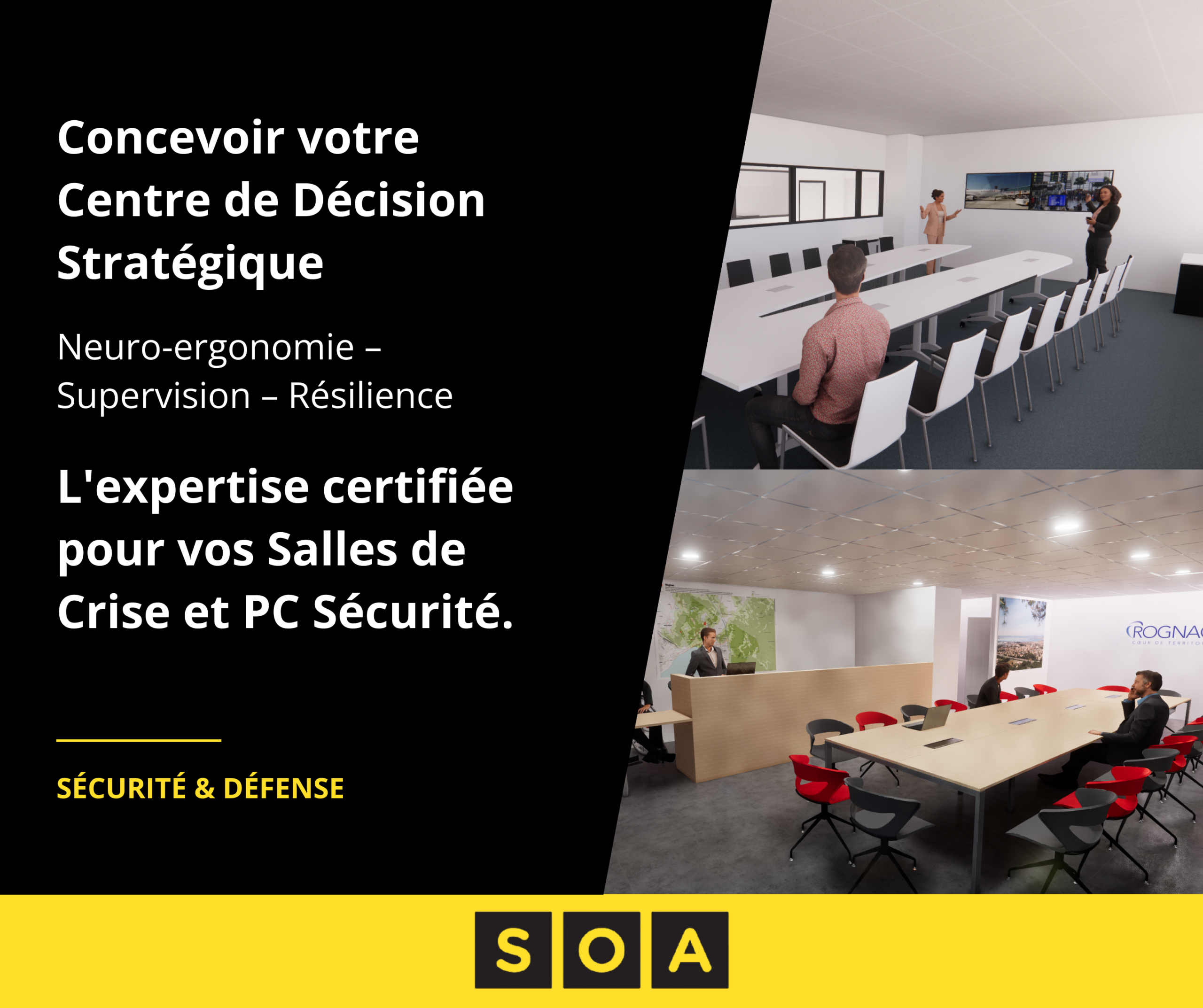
This configuration is designed to create a single, large visual canvas, with no or imperceptible separations between screens.- Ideal applications: Lobbies for a "wow" effect, showrooms for immersive product presentations, TV sets for dynamic backgrounds, crisis rooms for large-scale map or synoptic displays.
- Leading technology: LED. LED panels are assembled without any edges (zero bezel), offering a perfectly continuous, homogeneous image. Their high luminosity and uniform colorimetry across the entire surface make them the ideal solution for maximum visual impact, even in brightly lit environments.
- The "Multi-Window" video wall : Clarity for Better Monitoring
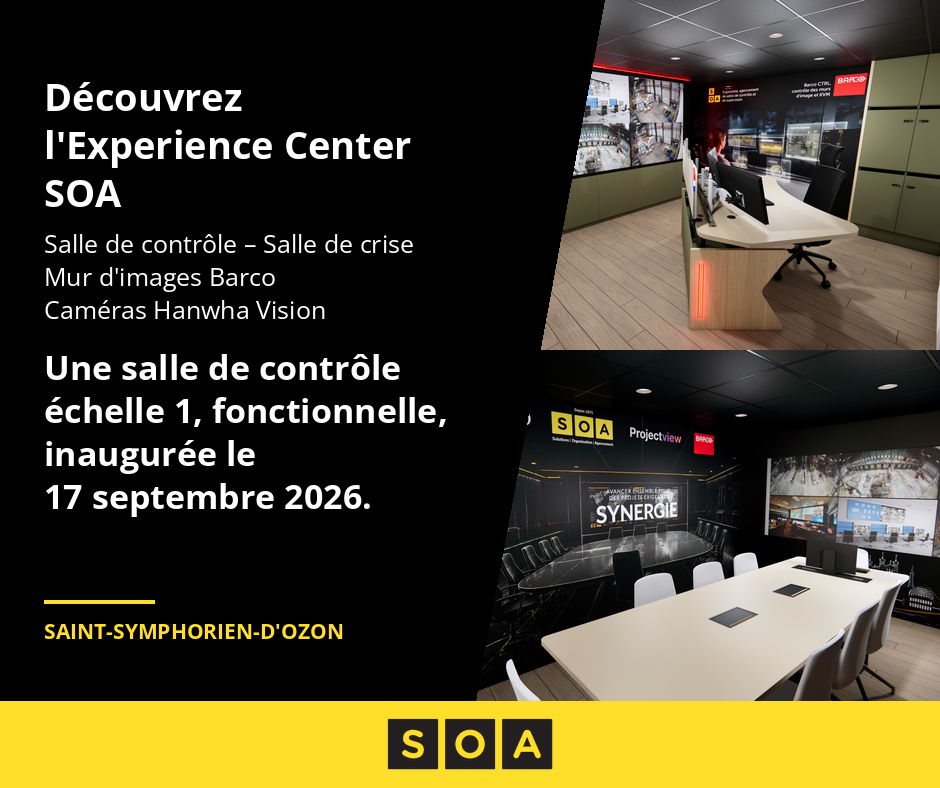
Here, the aim is to display multiple separate sources of information simultaneously. Each screen functions as an independent window on a specific piece of data.- Ideal applications: urban supervision centers (CSU) and security PCs for video surveillance, traffic control rooms (air, road, rail), trading rooms for real-time monitoring of financial flows.
- Preferred technologies :
Thin-edge LCD screens: These represent the most cost-effective solution for this application. Today's professional models offer combined edges of less than 1 mm, minimizing visual distraction. Each screen has its own high native resolution (Full HD or 4K), guaranteeing perfect sharpness for every source.
Step 2: The Framework of Your Web video wall : Choosing the Perfect Structure
Once the display technology has been selected, it needs to be brought to life with an appropriate structure. This is at the heart of our design business: we don't just fix screens, we build the solution that magnifies them.
- The Freedom of the Freestanding : Free-standing Structures and Totems
Ideal when load-bearing walls are not an option, this solution offers maximum flexibility. Free-standing structures or totems are designed to be stable and robust, supporting a variety of configurations (2×2, 3×3, etc.).- Advantages: Total independence from the building structure, quick installation, easy to move (with optional castors), and clean management of cabling in the vertical uprights.
- The Elegance of Direct Integration: The Wall Solution
Fixing brackets directly to the wall ensures the most discreet integration.- Essential prerequisites: This approach requires a rigorous preliminary diagnosis on our part. We check that the wall is perfectly flat (even the smallest defects are visible on a large wall), that it is strong enough to support the total load, and we plan a discreet cable routing.
- Made-to-measure excellence: our expertise in technical furniture
This is our most sophisticated solution, in which we combine our expertise in audiovisual technology and interior design. We design and manufacture a fully custom-made technical cabinet that serves as both the foundation and showcase for your video wall.- Perfect aesthetic integration: Furniture is designed to harmonize with your environment. We work with materials, colors and finishes for absolute stylistic consistency.
- Optimal Technical Management: The cabinet is much more than just a support. It is designed to house and protect all electronics: CPUs, video controllers, power supplies... Most importantly, it incorporates active or passive thermal management (ventilation grids, silent fans) to dissipate the heat generated and ensure the longevity of your equipment. Cabling is completely concealed, but remains accessible.
- Functionality and ergonomics: The cabinet can integrate operator workstations and secure storage, creating a fully functional, ergonomic command center.
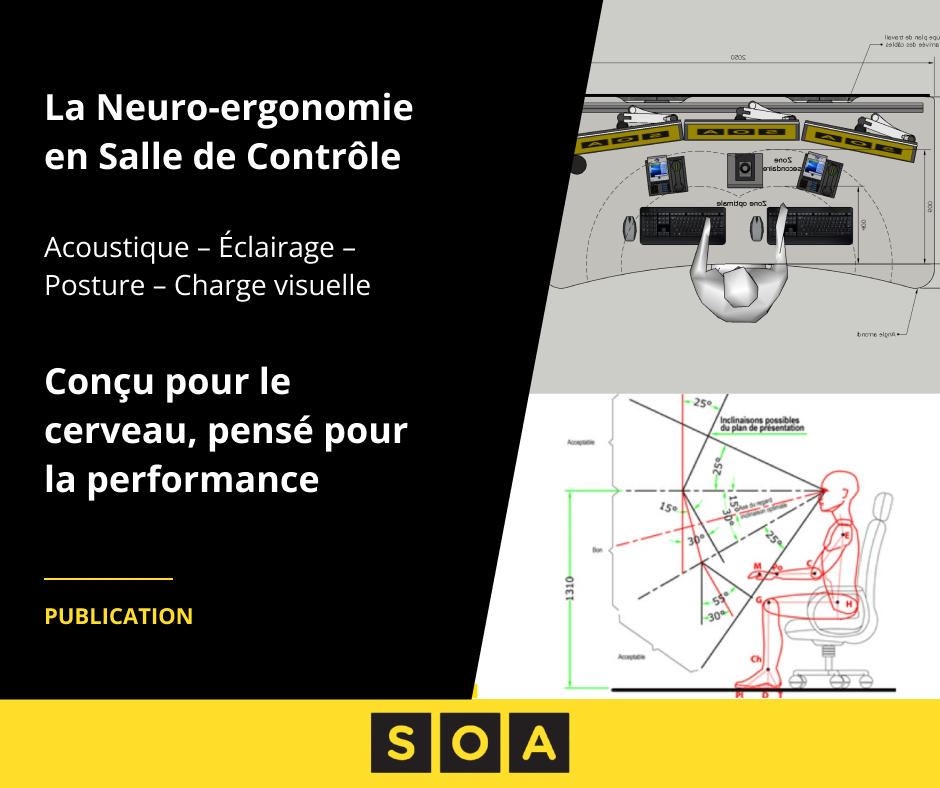
- Key Point of Layout : Ergonomics and viewing distanceThe creation of a truly ergonomic control center is based on one fundamental principle: the optimal distance between the operator, their work console, and the overall video wall. This is not just a minor detail, but a critical factor that determines everyday efficiency and comfort. Our expertise in cockpit layout allows us to calculate and design this ideal spacing for perfect synergy. The goal is twofold: to allow the pilot to take in the entire video wall at a glance for a comprehensive overview, while still being able to comfortably view detailed information on nearby screens, on the console.
- If the console is too close to the wall: The operator is forced to constantly move his or her head to scan the wall, which causes eye strain, musculoskeletal disorders, and a loss of instantaneous peripheral vision.
- If the console is too far away: The details displayed on the wall become difficult to make out, and the operator becomes less responsive.
That is why we systematically incorporate this concept of distance into our spatial design. We ensure that the video wall falls within the operator’s peripheral field of vision when they are focused on their workstation. This balance between close-up and overall views is the hallmark of a successful integration, ensuring maximum responsiveness and minimal fatigue, even during long monitoring sessions.
Beyond the Structure: SOA Mastery of Technical Details
An exceptional project is all about the details. Our expertise covers all aspects that guarantee ease of use and maximum durability.
- Accessibility and maintenance: the "Push-Pull" mechanism
What happens when the screen in the middle of a perfectly recessed wall breaks down? Without access from the rear, it can be a nightmare. That's why we systematically integrate "Push-Pull" brackets into these configurations. A simple press on the screen unlocks it and moves it out of the wall, giving full access for rapid intervention. - Piloting and control: the conductor of your wall
The video controller (or matrixing) is the brain of your installation. It centralizes all your sources and lets you display them where you want, how you want. We help you choose the right controller, capable of creating and recalling layouts at the click of a button. Our partnership with leaders like Barco ensures you get robust, proven solutions. - Scalability and sustainability: Think tomorrow, think today
Your needs today may not be those of tomorrow. We design our facilities with the future in mind. This means choosing modular structures, providing physical space for future screen additions, and selecting a video controller capable of handling more sources than your initial need.
Conclusion: Your Vision, Our Structure
As you can see, implementing a video wall is a complex technical installation project that goes far beyond simply selling screens. By choosing SOA, you’re choosing an integration partner with a holistic vision. We translate your goals into a concrete technical solution, coordinating display technology, support structures, and furniture integration to deliver a flawless result.
Contact us to discuss your project and let us build together the visual solution that will transform your space.